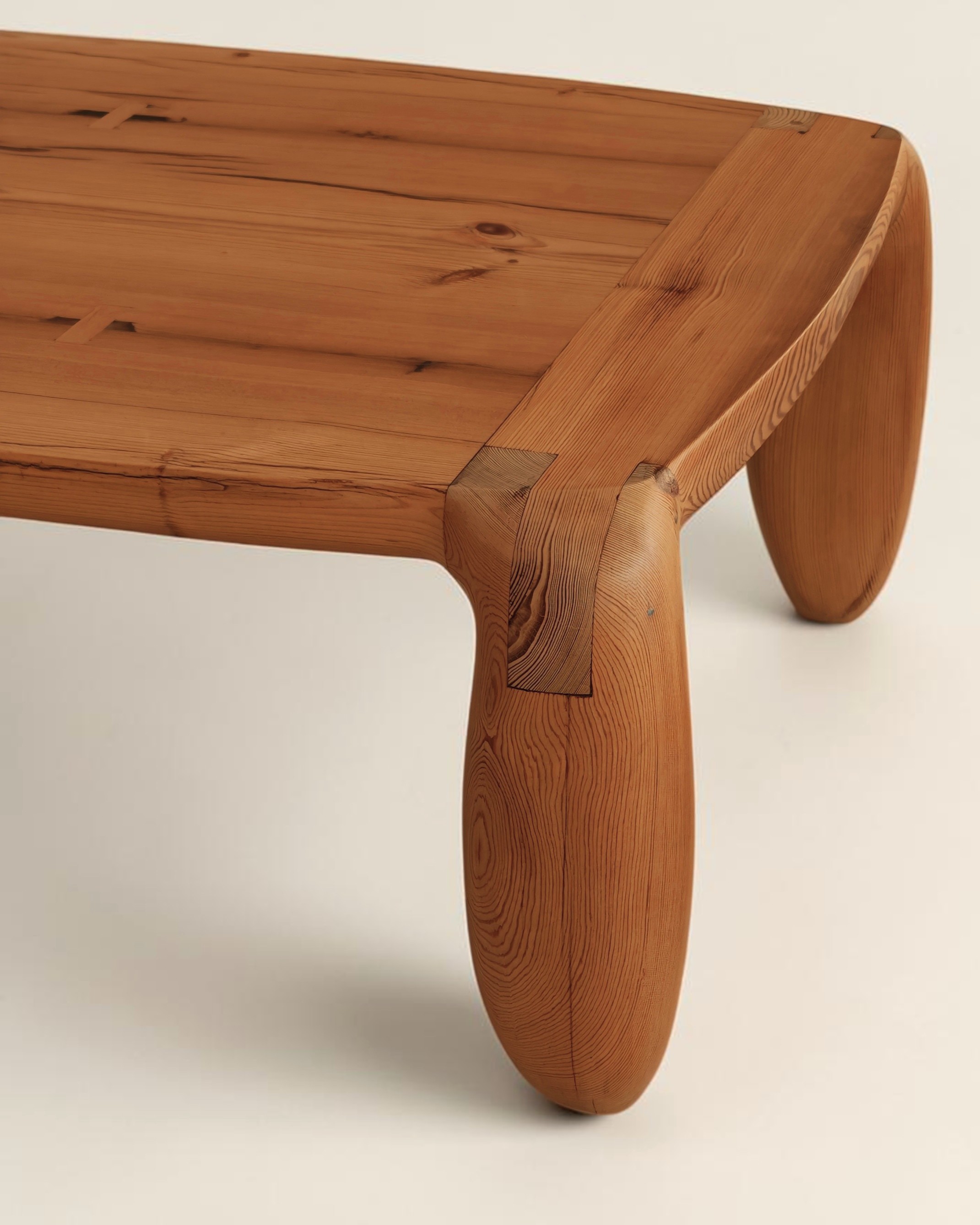
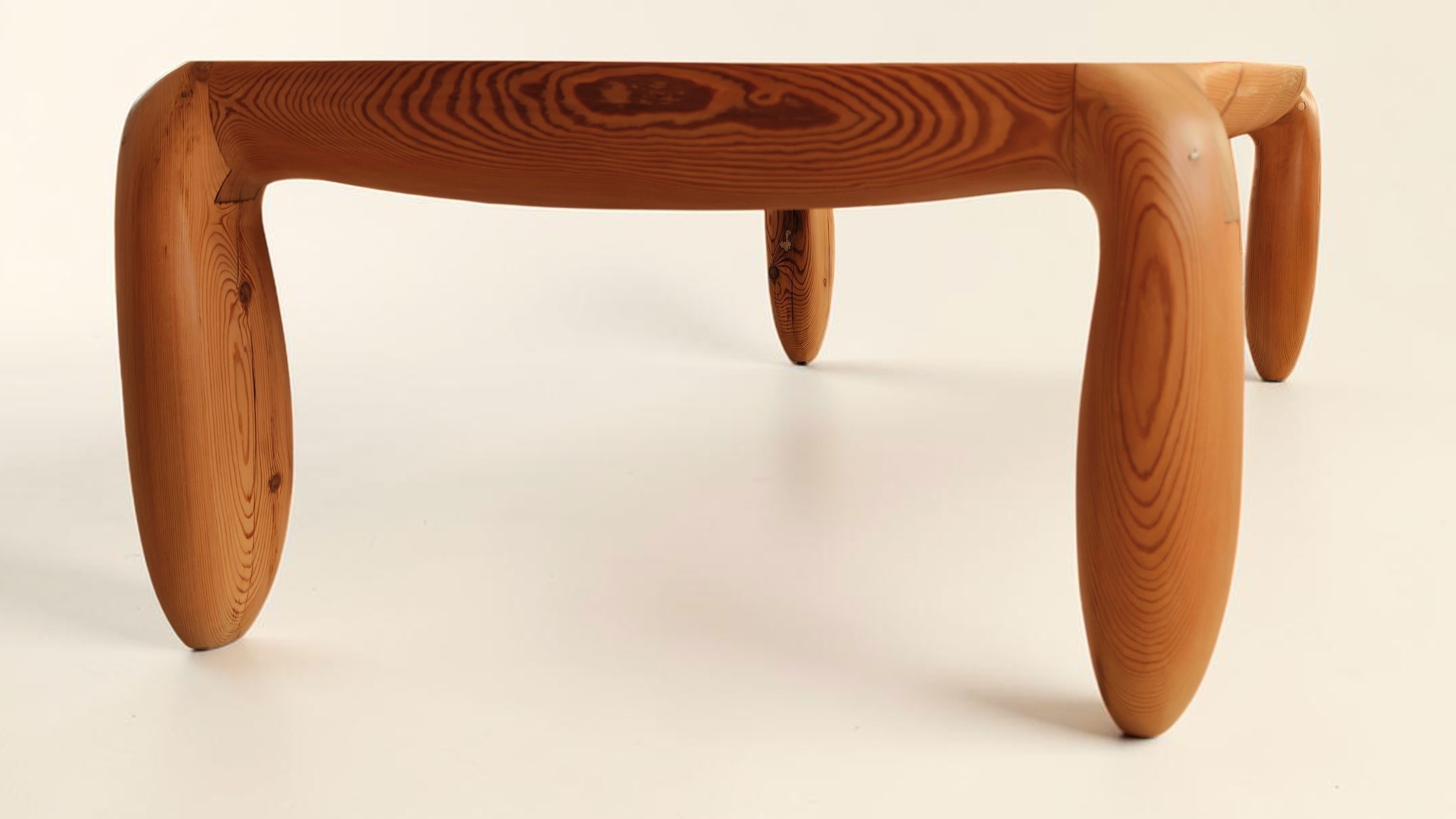
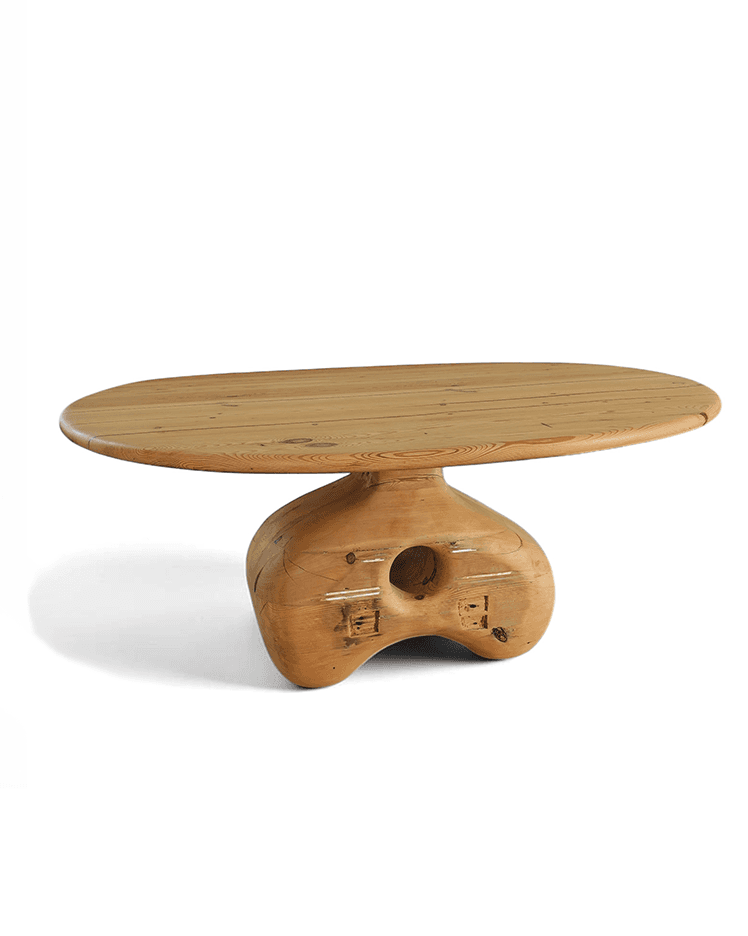
UC40
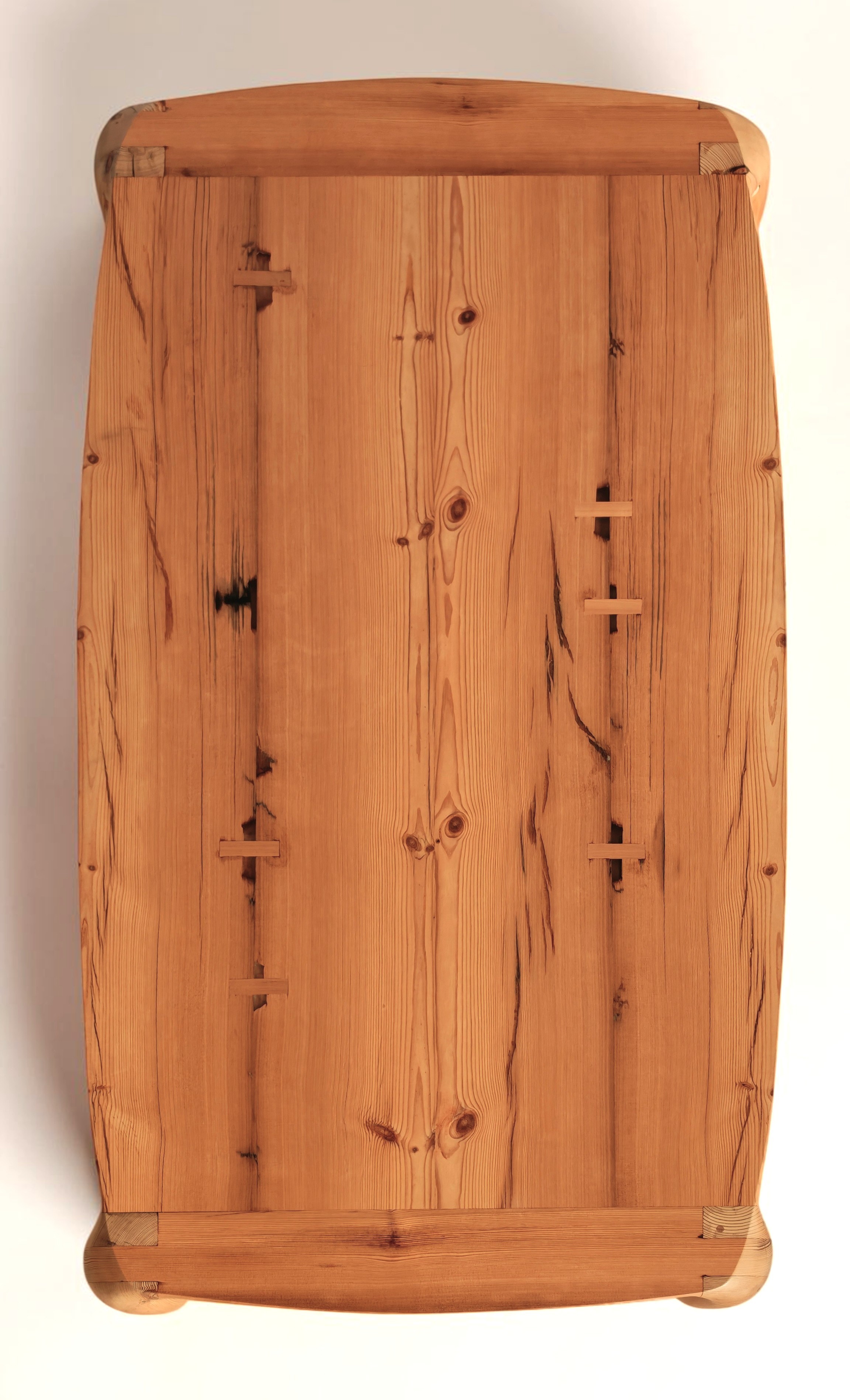
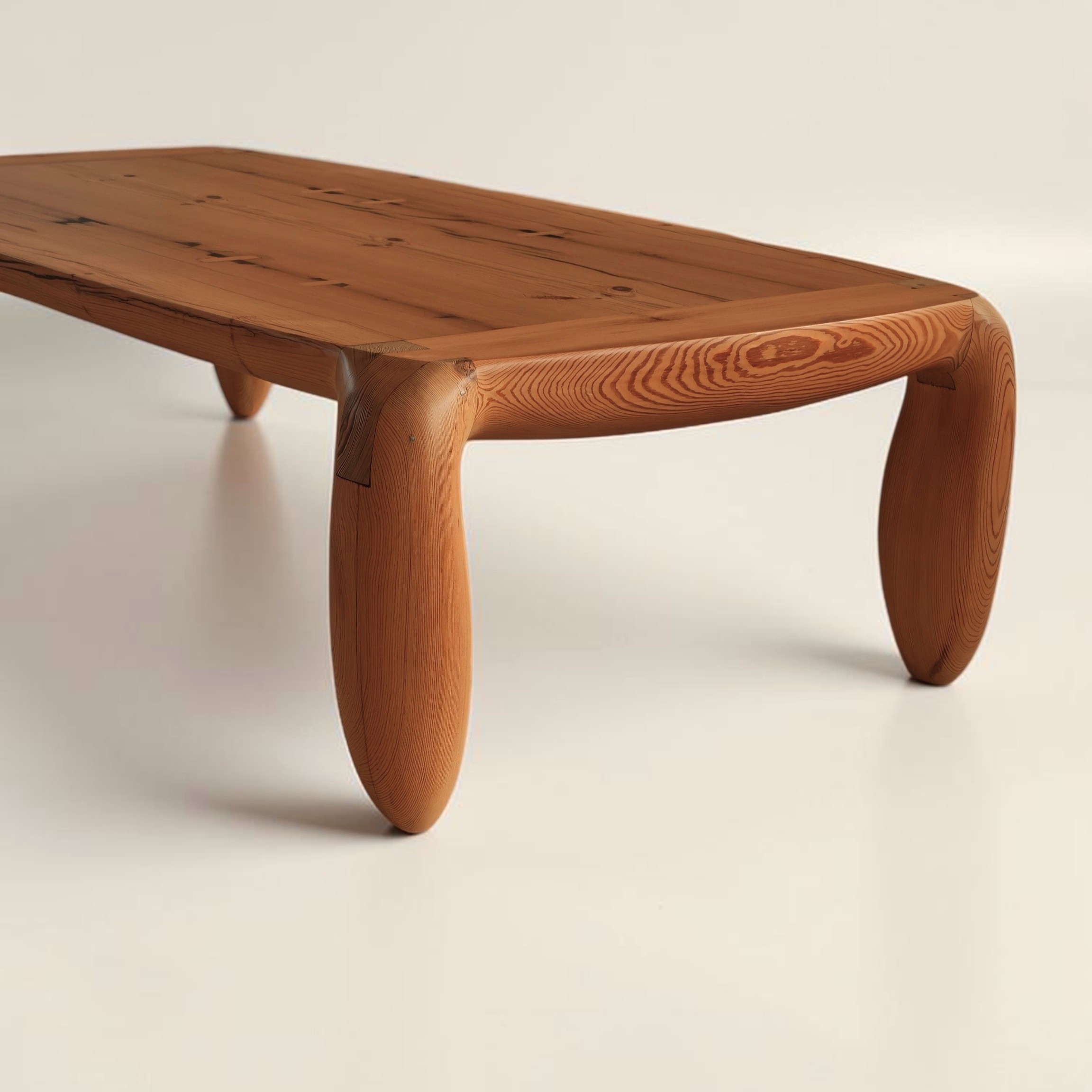
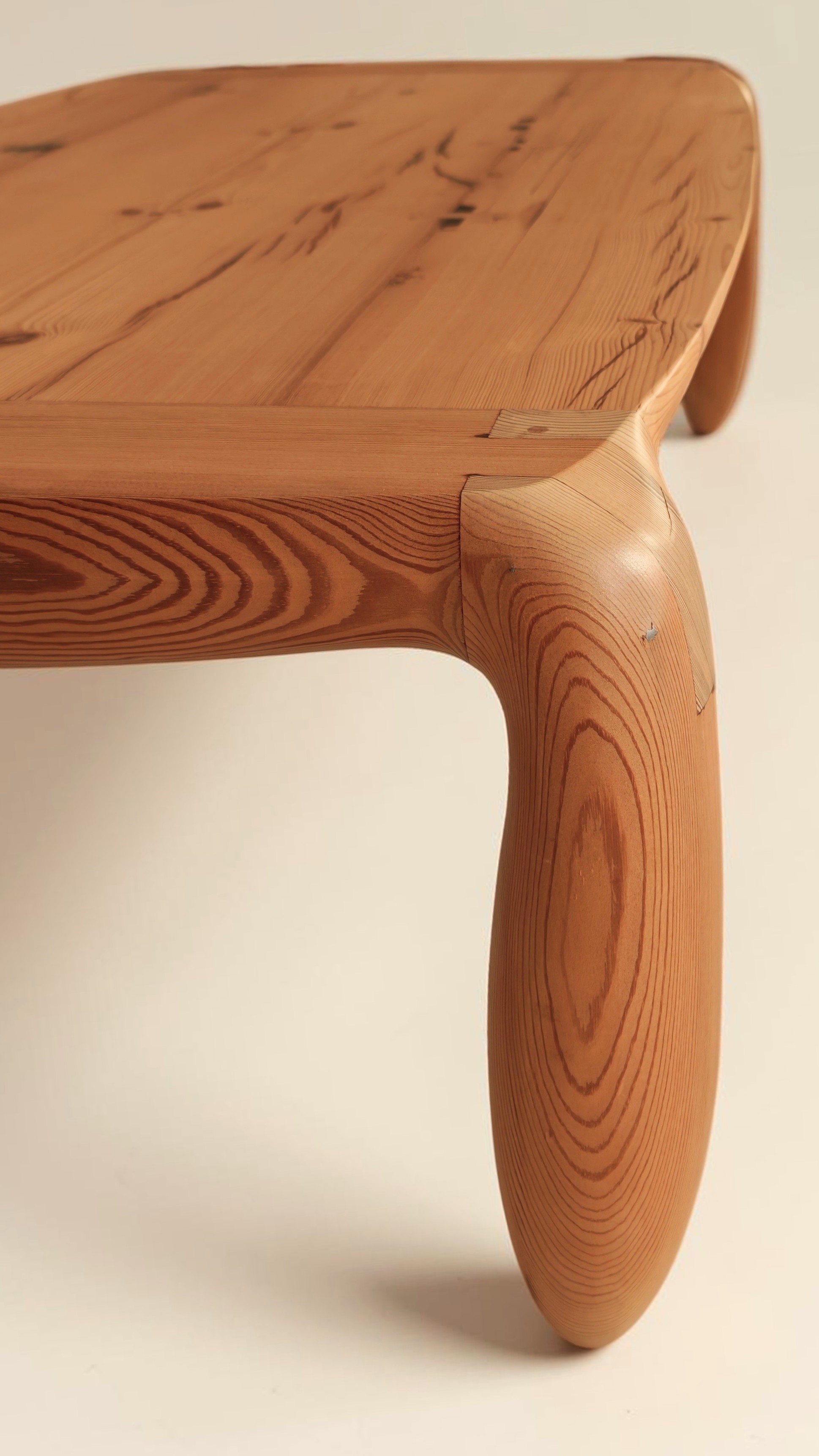
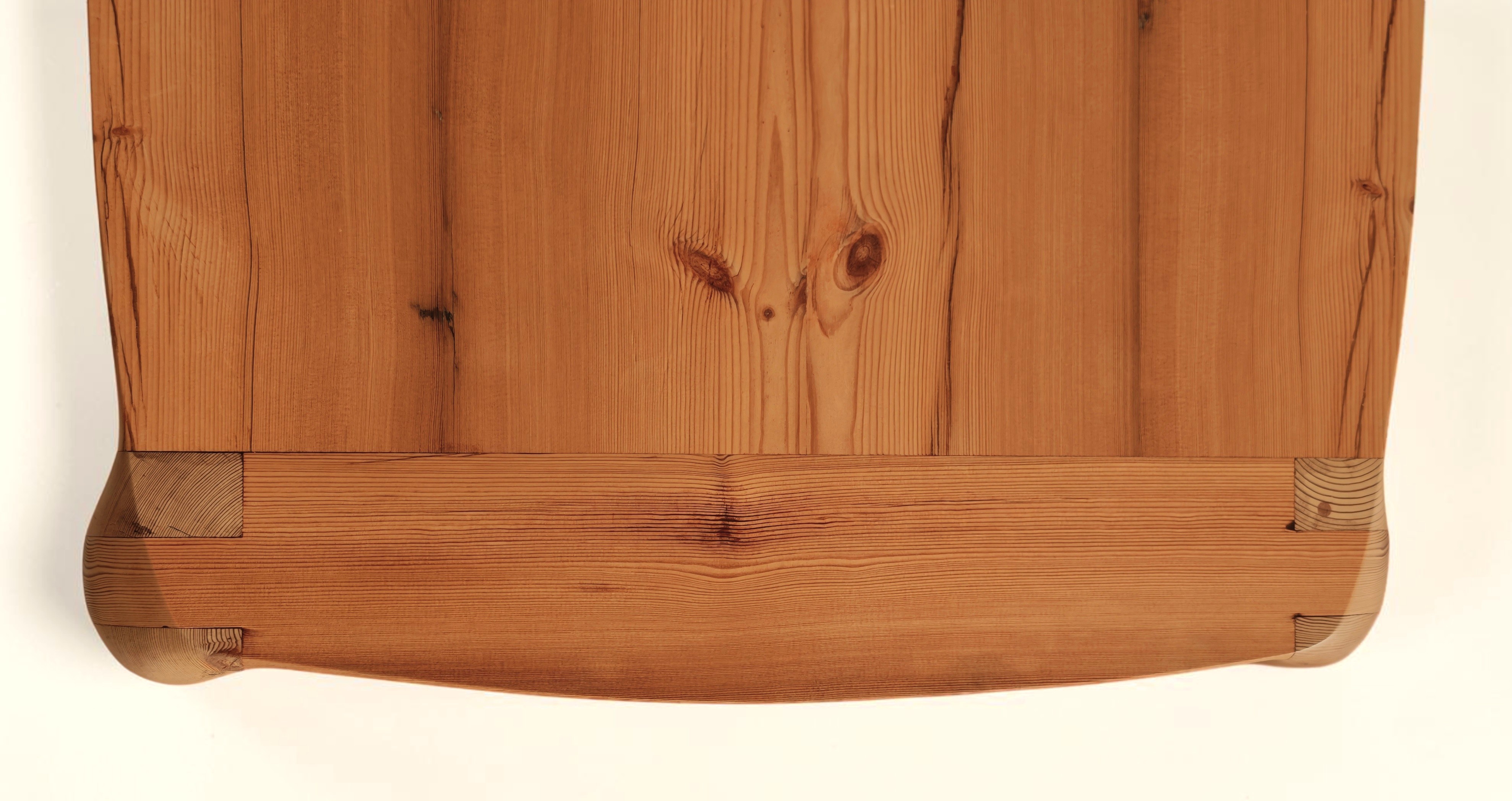
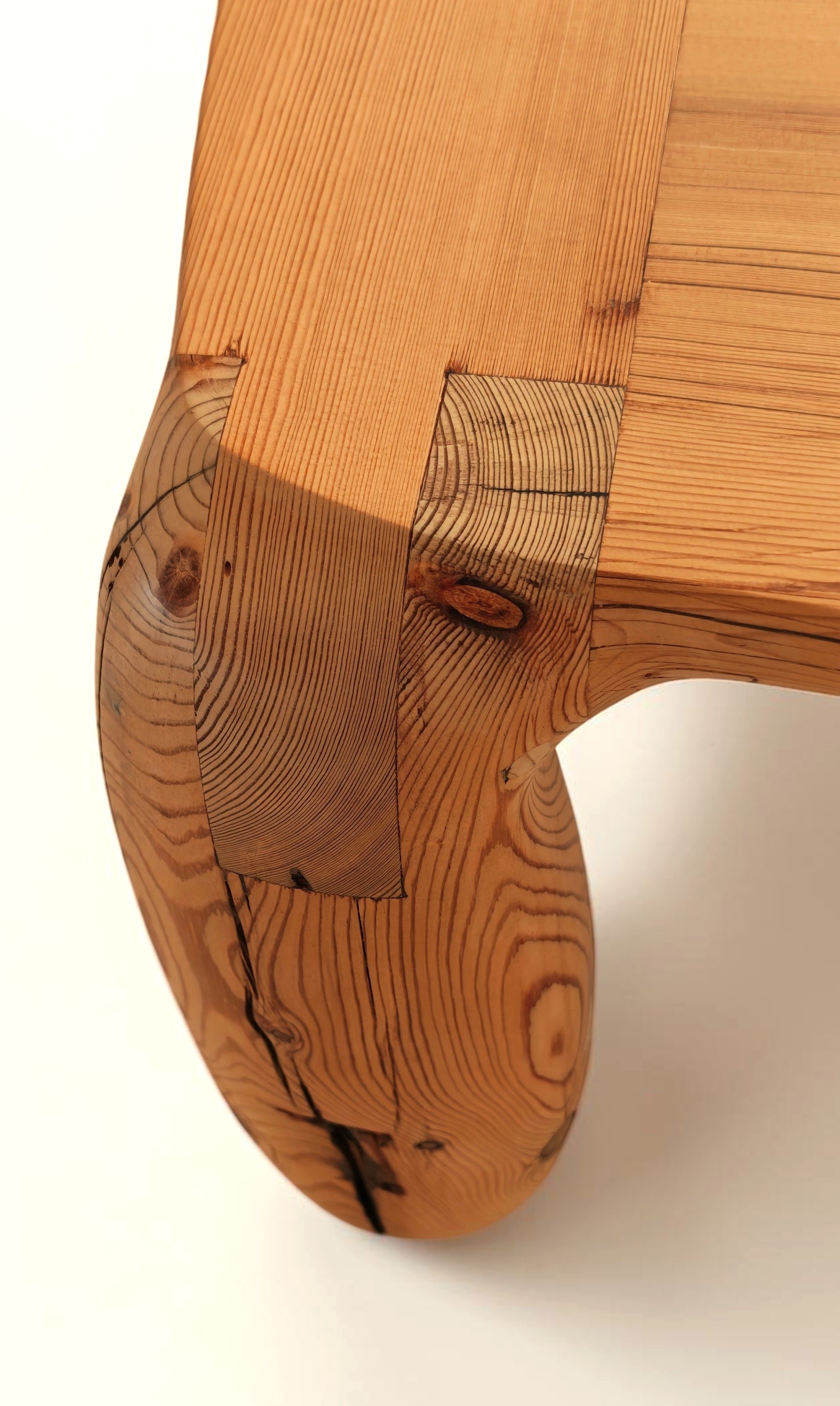
18th Century old beams from British Embassy in Cádiz
170X80X45 CM
Year built
2022
Function
Aux Table
Status
Available
Back in 2022 we still had much to discover. Exploring forms, techniques, finishes — and also the commercial side of what we were making. Around that time we had the good fortune of having a couple of deep conversations with someone who is a reference for us: Piet Hein Eek. He told us that even for him, with years of experience and new collections every season, it was almost impossible to predict what would work and what wouldn't. His advice: make different things, test them, and build on what resonates. The logic was overwhelming. The source, enough authority to put us in experimental mode for a season.
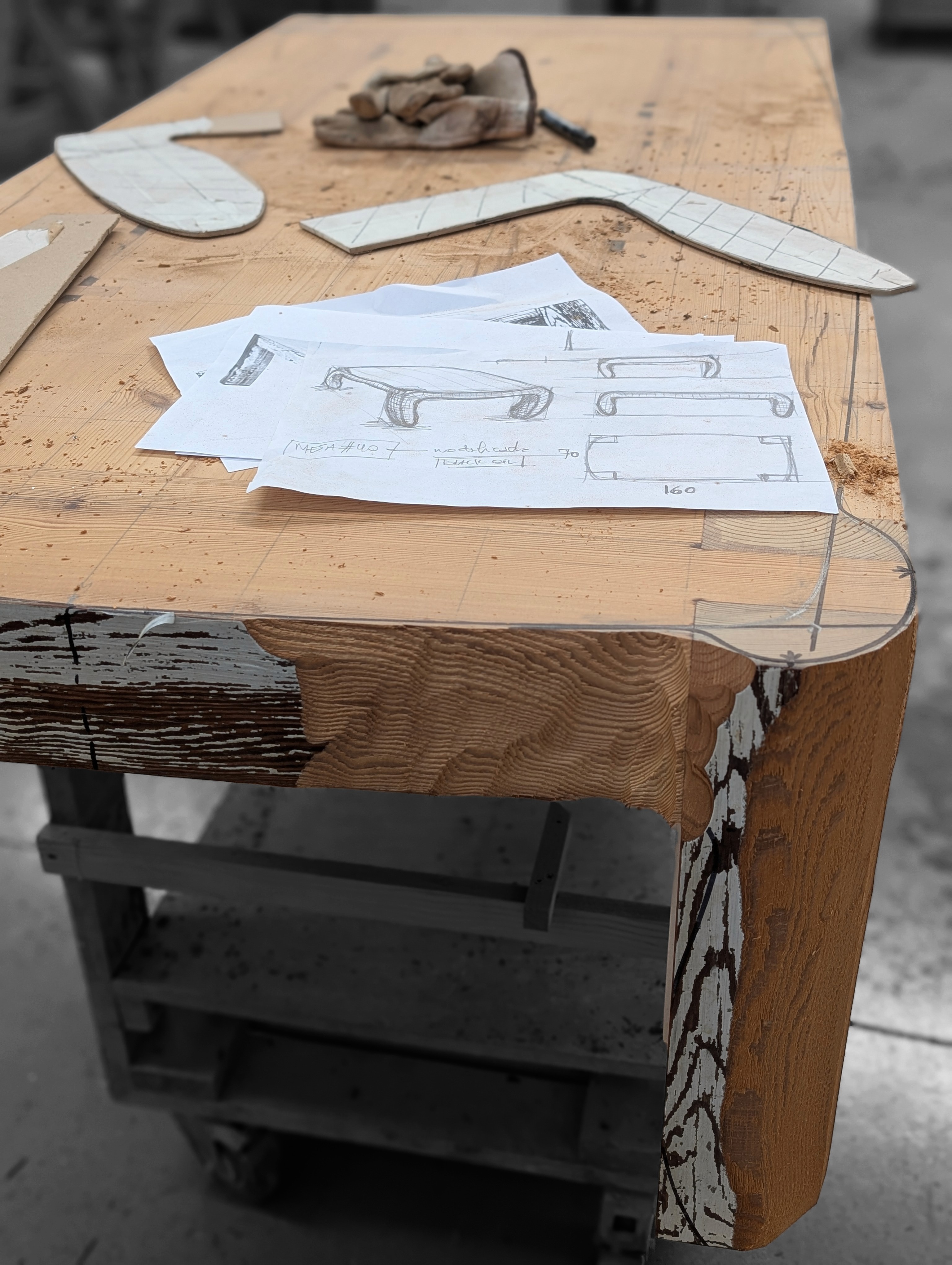
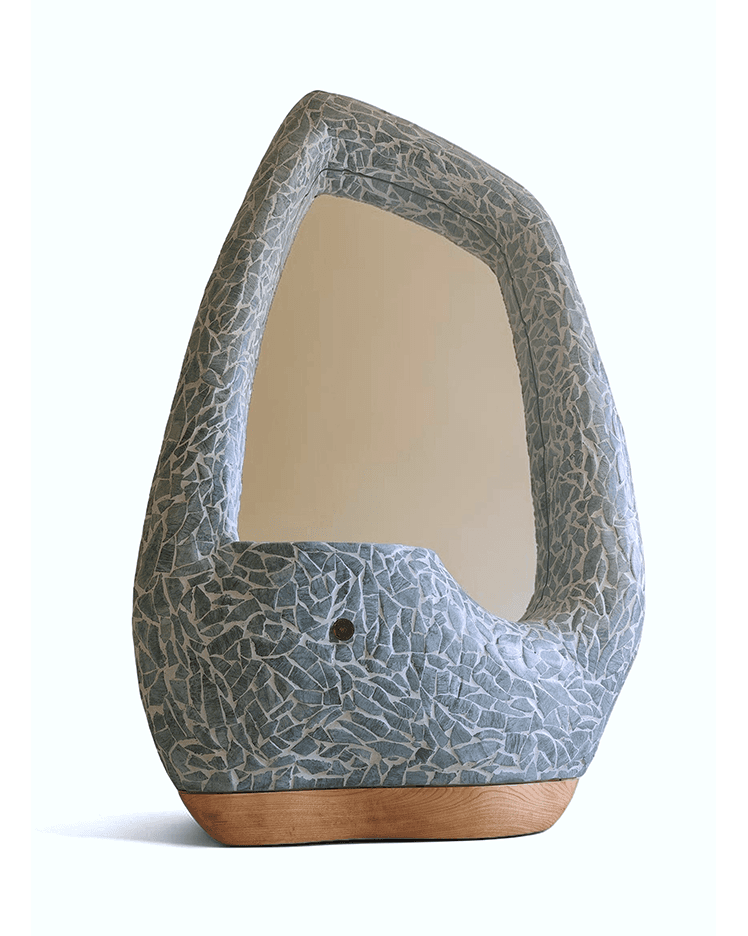
Within AMBER's parameters — turning materials with a previous life into objects that would last a lifetime — there was an infinite amount to explore. Several families emerged: in our Unique Creations gallery you will find pieces from VARRO, UMBRA and BENUS. Another of the collections we explored started from a specific idea: leaving the recovered beam on the outside in its rawest, most original state, while making it perfectly joinable on the inside.
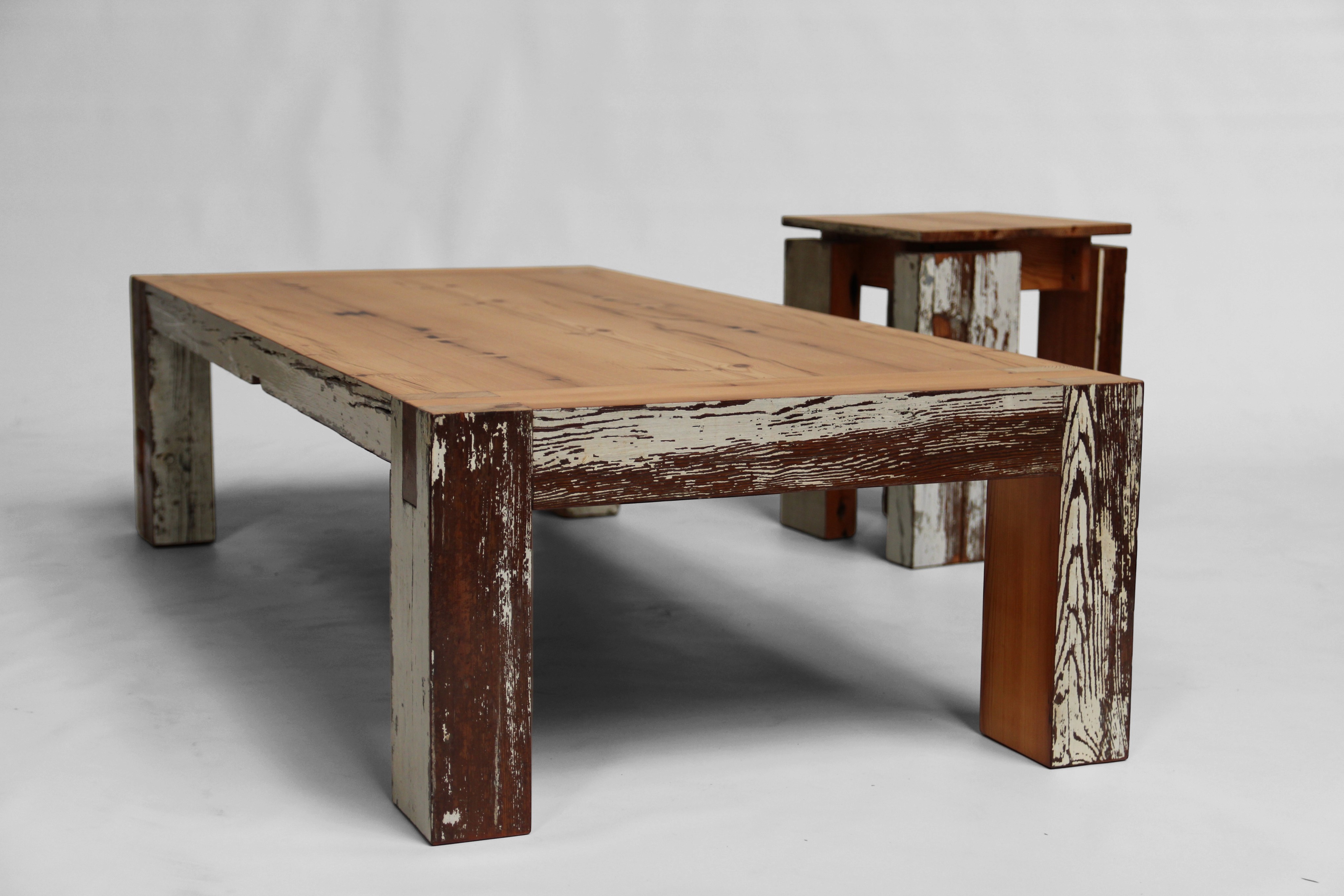
The technical heresy was real: the good cabinetmaker's handbook talks about achieving four perfectly flat and perpendicular faces per timber before applying any joinery technique. We wanted to preserve the full imprint of what those beams had been — their irregularities, their marks, their history — without giving up the eternal durability we demand from every piece. We designed and made a dining table — even demountable without it showing —, this coffee table and two bench models. The exterior raw as a skin, the interior perfectly assembled. We called it SKIN and we loved it. But it didn't find the reception among our followers that matched our enthusiasm — commercially, it was a small failure.
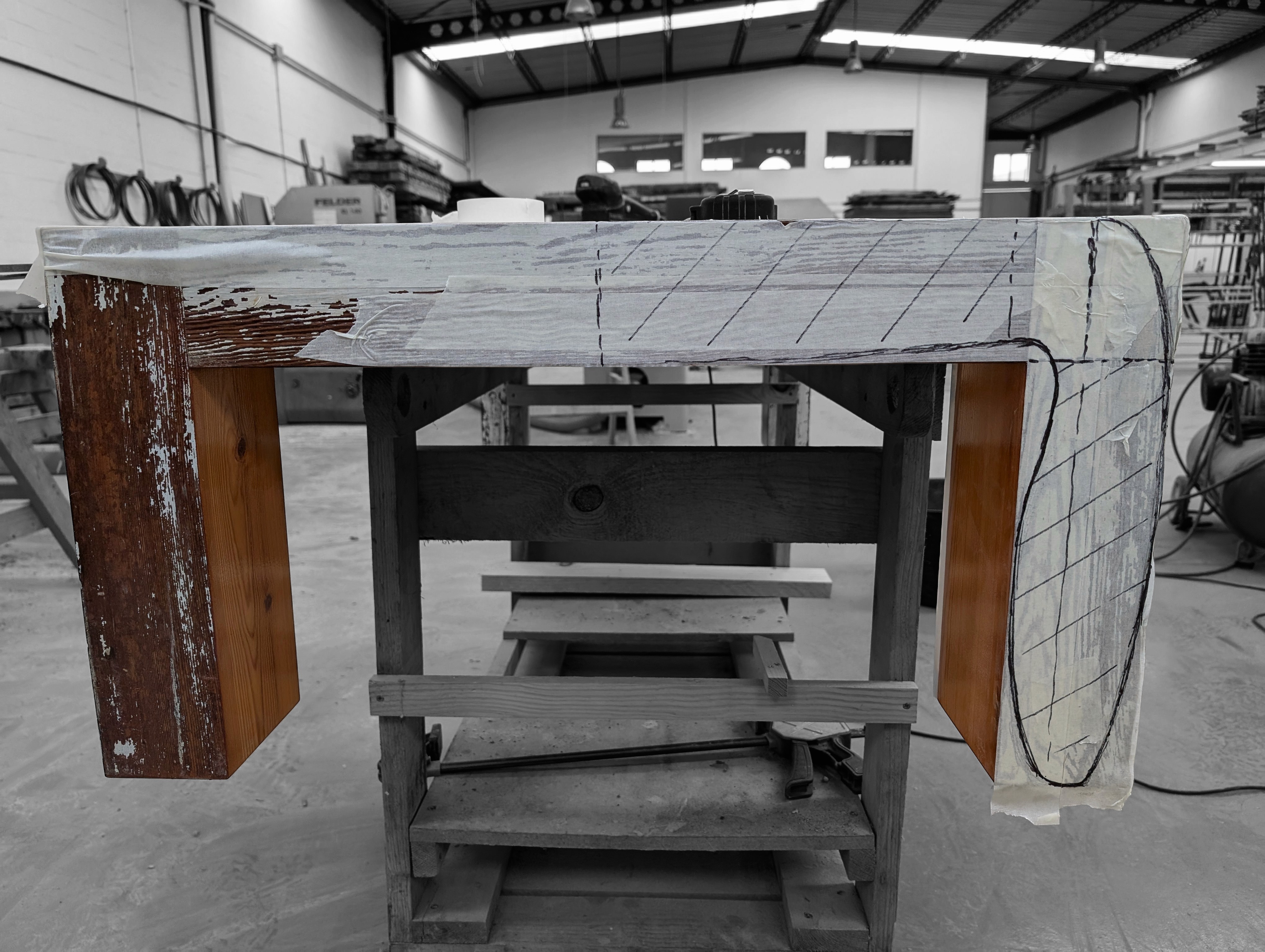
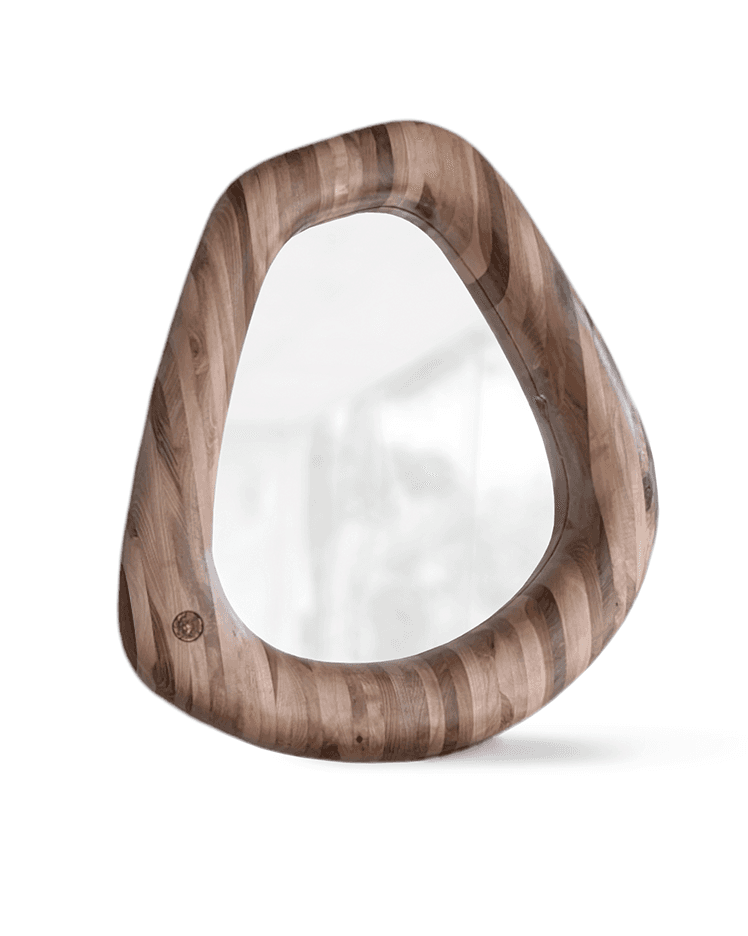
Three years later, with many unique creations and lessons behind us, having digested the small defeat, we redesigned it. The result is this version: more shaped, more approachable than the original, but with enough marks and traces of the original beams to preserve the essence of the idea. Sometimes the best design is not the first one — it's the one that survives its own failure.